The Adjustment Fund gets discussed as an SME finance facility. It is not one, and understanding what it actually does matters for anyone planning around it.
What the AfCFTA Adjustment Fund Is Actually For
The AfCFTA Adjustment Fund has been generating renewed attention through 2026 stakeholder engagement events, including sessions organised with institutional investors on the fund’s financing structure. It’s worth being precise about what it is, because it gets conflated in practice with a separate, older idea, an SME trade finance facility, that is not the same mechanism. The AfCFTA Adjustment Fund exists to manage the uneven costs of trade liberalisation at a structural level.
The AfCFTA Adjustment Fund is designed to provide financial support to countries and sectors that face genuine adjustment costs as tariffs fall under AfCFTA, most notably, governments facing reduced tariff revenue, and industries newly exposed to continental competition. This is compensation and transition financing aimed primarily at the state and sector level, not a facility an individual exporter or cooperative applies to directly for working capital.
Why Confusion Happens Around the AfCFTA Adjustment Fund
The AfCFTA Secretariat has separately and repeatedly discussed the need for an SME-focused trade finance facility since the agreement’s early implementation years, run through conversations with commercial banks rather than through the Adjustment Fund structure. The two ideas, a fund that compensates governments and sectors for adjustment costs, and a facility that extends working capital to SME exporters, are related in spirit but distinct, and the AfCFTA Adjustment Fund‘s growing visibility in 2026 doesn’t mean direct SME access has arrived alongside it.
What This Means for a Cameroonian Exporter or Cooperative
Don’t plan around the AfCFTA Adjustment Fund as a source of direct financing for your business. Its relevance to you is indirect: if Cameroon’s government or a specific exposed sector accesses adjustment support, that can translate into sector-level programmes, infrastructure investment, or transition support you might benefit from as part of a broader industry response, but it’s not a grant or loan window you apply to individually. For direct trade finance, the more relevant mechanisms remain trade finance instruments already available through regional banks, development finance institutions, and buyer-financed compliance programmes, which we cover separately. See Afreximbank and AfCFTA Secretariat.
What to Watch on the AfCFTA Adjustment Fund
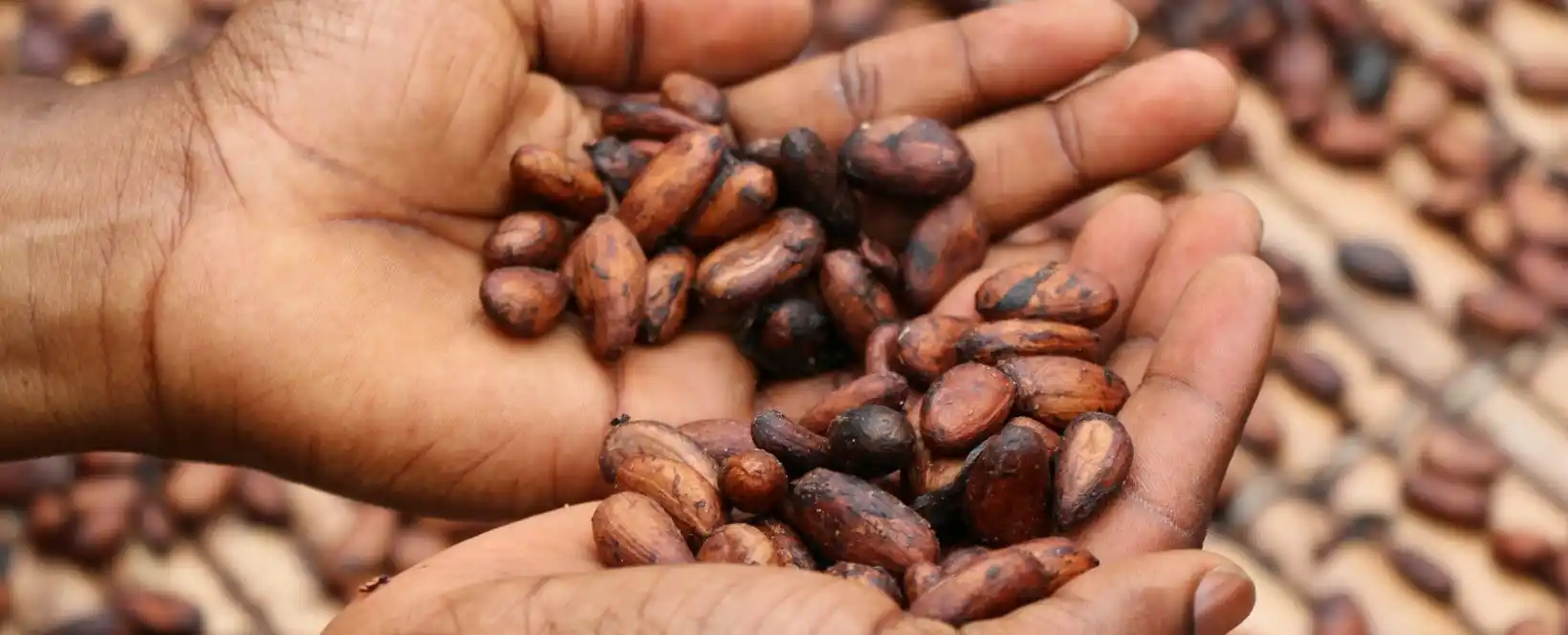
As the fund’s financing structure develops through 2026, including engagement with institutional and private investors, the practical question for Cameroon is whether national authorities position the country to draw on adjustment support tied to specific sectors, cocoa processing capacity, for instance, where AfCFTA-driven competition could justify a claim. That’s a policy-advocacy question for industry associations more than a direct-access question for individual firms exploring the AfCFTA Adjustment Fund.
Related Insights
See Financing SME Participation in AfCFTA for actual SME finance and CEMAC and AfCFTA Regimes for tariff strategy.
FAQs
Can I apply directly to the AfCFTA Adjustment Fund?
No. The AfCFTA Adjustment Fund is government and sector-level; SMEs should pursue bank trade finance, DFI programmes or buyer co-financing.
Questions on AfCFTA Adjustment Fund access? Contact BALIA Consulting.